
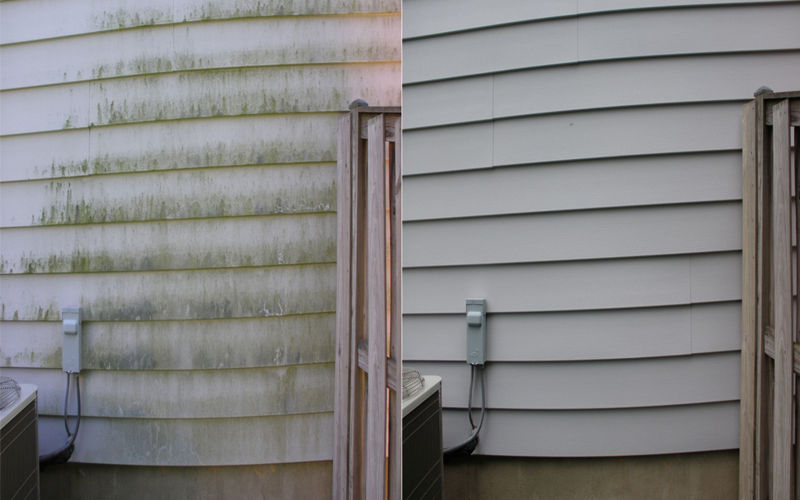
Remove Mold From Vinyl Siding
Disclosure: This post may contain affiliate links, meaning if you decide to make a purchase via my links, I may earn a commission at no additional cost to you. See my disclosure for more info.
No matter which region you live, molds can always grow on your vinyl sidings. They are not only unsightly, they pose danger to your family and you when you inhale their spores. A mold on vinyl siding can proliferate very fast and they can wash on the patio or the walkways after a heavy downpour. You can carry the spores on the soles of your shoes so that you risk infecting the whole house with molds. This is why you should remove mold from vinyl siding on a regular and timely manner.
To remove mold from vinyl siding, you can clean it regularly by brushing it with liquid soap and water. For a more effective way of disinfecting your walls, you can add bleaching agent on the water to kill the spores. But don’t expect to have taken care of the problem for good. Mold spores are everywhere in the environment so that they could come back few months after you have washed them off your vinyl siding.
Remove Mold From Vinyl Siding Caution.
When remove mold from vinyl siding it’s very important for you to remember not to spray upwards on the seams and along the edges of your vinyl siding. You don’t want the water to seep underneath your vinyl siding because another type of mold on vinyl siding could breed underneath that you can’t easily reach and clean. The wood and the insulating underneath could also rot if moisture is trapped underneath your siding. Always point the hose or the pressure washer nozzle on the ground all the time.
If you want to use a pressure washer to remove mold from vinyl siding and you are unsure how to use one then you may like to check out our pressure washing vinyl siding page which has lots of tips that will help you speed up the job to remove mold from vinyl siding
If you want to take care of the mold once and for all, there are specialized cleaning agents you can get from your hardware store that could take care of the problem. These cleaning agents are formulated to contain antimicrobial properties so that it prevents the mold and other microorganisms from growing on your vinyl siding. The effects of these cleaning agents are guaranteed to last for ten years without reapplication, depending on the brand of the product you used, of course.
Although the mold on vinyl siding can be pretty annoying and hard to eliminate, there are ways to remove mold from vinyl siding for good. Visit your nearest hardware store and ask for some specialized cleaning agent they can recommend and you may not be bothered by these molds again for years.
What Causes Mold On Vinyl Siding
Vinyl siding, despite its resilience, can become a breeding ground for mold under certain conditions, it's therefore essential that you understand how to effectively combating mold growth on your vinyl siding. By understanding the underlying causes of mold growth on vinyl siding you are taking the first step toward effective prevention and remediation.
Moisture Accumulation: Mold thrives in damp environments, making areas with poor drainage or excessive moisture particularly susceptible to mold growth. Vinyl siding, being an exterior surface, is constantly exposed to the elements, including rain, snow, and humidity. Any moisture that accumulates on the siding surface or penetrates behind the panels can create the perfect habitat for mold spores to flourish.
Lack of Sunlight Exposure: Sunlight acts as a natural mold deterrent, as UV rays inhibit mold growth. However, vertical surfaces, such as vinyl siding, may receive limited sunlight exposure, especially if overshadowed by trees, structures, or adjacent buildings. Areas of your home that receive little to no sunlight are more prone to mold development, as they lack the natural disinfecting effects of sunlight.
Organic Matter Buildup: Dirt, pollen, algae, and other organic matter can accumulate on the surface of vinyl siding over time. These substances provide nutrients for mold growth and create a conducive environment for spores to take root. Regular cleaning and maintenance can help prevent organic matter buildup and mitigate the risk of mold colonization.
Inadequate Ventilation: Proper ventilation is essential for allowing moisture to escape from the exterior of your home. Poor ventilation can trap moisture behind vinyl siding panels, creating a breeding ground for mold. Areas with limited airflow, such as corners, eaves, and soffits, are particularly vulnerable to mold growth if ventilation is inadequate.
Construction and Installation Issues: Improperly installed vinyl siding or construction flaws can exacerbate mold problems. Gaps between panels, faulty flashing, or compromised seals can allow water to infiltrate behind the siding, leading to moisture accumulation and mold growth. Ensuring proper installation and addressing any structural issues promptly can help prevent mold-related problems down the line.
Tools and Cleaning Products
When it comes to tackling mold on vinyl siding, having the right tools and cleaning products can make all the difference in achieving effective and efficient results. Fortunately, there is a wide range of tools and cleaning products available, designed specifically for cleaning mold from vinyl siding. From soft-bristle brushes to specialized mold removers, these products are trusted by homeowners and professionals alike for their effectiveness and ease of use.
These tools and cleaning products are highly rated and widely used by homeowners and professionals alike for cleaning mold from vinyl siding. Be sure to read product reviews and follow manufacturer instructions for best results and safe usage.
Tools:
- Soft-Bristle Brush or Sponge: Ideal for gently scrubbing moldy areas of vinyl siding without causing damage.
- Pressure Washer: Helps to effectively remove stubborn mold and grime from vinyl siding with the use of water pressure.
- Extension Pole: Allows you to reach higher areas of your siding without the need for a ladder, ensuring thorough cleaning.
- Garden Hose: Essential for rinsing off cleaning solutions and debris from vinyl siding after scrubbing.
- Safety Gear: Includes gloves, goggles, and a mask to protect yourself from exposure to mold spores and cleaning chemicals.
Cleaning Products:
- Mold and Mildew Remover: Specifically formulated to eliminate mold and mildew stains from vinyl siding surfaces.
- Vinyl Siding Cleaner: Designed to safely and effectively clean dirt, grime, and mold from vinyl siding without damaging the material.
- Oxygenated Bleach: A non-toxic alternative to chlorine bleach, suitable for removing mold stains and brightening vinyl siding.
- All-Purpose Cleaner: Versatile cleaning solution that can be diluted and used to clean vinyl siding surfaces.
- Mold Inhibitor Spray: Prevents future mold growth on vinyl siding by creating a protective barrier against moisture and organic matter.
Mold Removal Steps
When mold takes hold of your vinyl siding, prompt action is essential to prevent further damage and restore the appearance of your home's exterior. By following these systematic mold removal steps, you can restore the beauty and integrity of your vinyl siding while safeguarding your home against future mold infestations.
1. Inspection: Begin by conducting a thorough inspection of your vinyl siding to identify areas affected by mold growth. Look for discolored patches, fuzzy spots, or musty odors, indicating the presence of mold. Pay close attention to areas with poor drainage, limited sunlight exposure, or organic matter buildup.
2. Preparation: Before tackling mold removal, equip yourself with the necessary protective gear, including gloves, goggles, and a mask, to minimize exposure to mold spores. Additionally, ensure proper ventilation by opening windows and doors to allow fresh air circulation during the cleaning process.
3. Cleaning Solution: Prepare a cleaning solution by mixing water with a mild detergent or a specialized vinyl siding cleaner. Avoid using harsh chemicals or abrasive cleaners, as they may damage the siding or pose health risks. Test the cleaning solution on a small inconspicuous area of the siding to ensure compatibility and effectiveness.
4. Scrubbing: Armed with a soft-bristle brush or sponge, gently scrub the moldy areas of the vinyl siding, working from top to bottom to prevent streaking. Apply moderate pressure to dislodge mold spores and surface contaminants, being careful not to damage the siding or underlying structure.
5. Rinse: Once the mold has been loosened, thoroughly rinse the siding with a garden hose, starting from the top and working your way down. Use a steady stream of water to flush away dirt, debris, and residual cleaning solution, ensuring a clean and streak-free finish.
6. Repeat if Necessary: Stubborn mold may require multiple cleaning rounds for complete removal. If mold persists after the initial cleaning, repeat the scrubbing and rinsing process until the affected areas are free of mold and discoloration.
7. Preventive Treatment: To deter future mold growth, consider applying a mold-resistant coating or solution to your vinyl siding after cleaning. These products create a protective barrier that inhibits mold spores from taking hold and provides long-lasting protection against moisture and organic matter buildup.
How to Prevent Mold on Vertical Vinyl Siding
Prevention is key when it comes to combating mold growth on vertical vinyl siding. Implementing proactive measures can help mitigate the risk of mold infestation and preserve the appearance and structural integrity of your home's exterior. Follow these effective strategies to keep mold at bay:
1. Regular Cleaning: Establish a routine cleaning schedule to remove dirt, pollen, algae, and other organic matter from your vinyl siding. Use a solution of water and mild detergent or a specialized vinyl siding cleaner to gently scrub the surface and prevent buildup that could fuel mold growth. Pay special attention to areas with limited sunlight exposure or poor ventilation.
2. Proper Ventilation: Ensure adequate ventilation around your home to promote air circulation and prevent moisture buildup. Install vents in attics, crawl spaces, and other confined areas to expel humid air and reduce the risk of condensation. Consider installing a ventilation system or exhaust fans in bathrooms, kitchens, and laundry rooms to minimize moisture levels indoors.
3. Trim Vegetation: Trim trees, bushes, and other vegetation near your home to allow sunlight and airflow to reach your vinyl siding. Overgrown foliage can create shaded areas that trap moisture and promote mold growth. Maintain a clear perimeter around your home to minimize the risk of organic matter accumulation on your siding.
4. Repair Leaks: Promptly repair any leaks or damage to your home's exterior, including gutters, downspouts, and roof. Water intrusion can lead to moisture buildup behind vinyl siding panels, creating an ideal environment for mold spores to thrive. Regularly inspect and maintain your home's exterior to identify and address potential sources of leaks before they escalate.
5. Seal Gaps: Seal any gaps or cracks in your vinyl siding to prevent moisture from seeping behind the panels. Inspect the seams, joints, and edges of the siding for signs of deterioration or gaps that could allow water infiltration. Use caulking or sealant to fill any gaps and ensure a watertight seal around your siding.
6. Apply Mold Inhibitors: Consider applying a mold inhibitor or sealant to your vinyl siding to deter mold growth. These products create a protective barrier that inhibits mold spores from taking root and provides long-lasting protection against moisture, UV damage, and organic matter buildup. Follow the manufacturer's instructions for application and reapplication to maintain effectiveness.
7. Professional Inspection: Schedule regular inspections with a professional to identify and address any potential issues with your vinyl siding before they escalate. A qualified contractor can assess the condition of your siding, detect early signs of mold or damage, and recommend appropriate repairs or preventive measures to safeguard your home's exterior.
By implementing these preventive strategies, you can effectively minimize the risk of mold growth on your vertical vinyl siding and maintain a clean, healthy, and attractive exterior for years to come.
Final Thoughts
Vinyl siding is a durable and low-maintenance option for enhancing the appearance and protection of your home's exterior. However, mold growth can detract from its aesthetic appeal and compromise its structural integrity if left unchecked. By understanding the underlying causes of mold growth, implementing effective removal techniques, and adopting proactive preventive measures, you can keep your vertical vinyl siding looking its best for years to come.
Regular cleaning, proper ventilation, and proactive maintenance are essential for minimizing the risk of mold infestation and preserving the beauty and longevity of your siding. Promptly addressing leaks, sealing gaps, and applying mold inhibitors can help create a hostile environment for mold spores and prevent moisture buildup behind vinyl siding panels.
In the event of mold growth, swift action is crucial to prevent further damage and restore the appearance of your vinyl siding. Follow the recommended mold removal steps, including inspection, preparation, cleaning, and preventive treatment, to effectively eradicate mold and prevent its recurrence.
Remember, prevention is always preferable to remediation when it comes to mold on vinyl siding. By incorporating these preventive strategies into your home maintenance routine and conducting regular inspections, you can enjoy a mold-free exterior and peace of mind knowing that your home is well-protected against mold-related issues.
With a proactive approach and proper care, you can maintain the beauty and durability of your vertical vinyl siding for years to come, enhancing the curb appeal and value of your home while minimizing the risk of mold-related problems.